Kshamata

Kshamata’s

Outreach Program

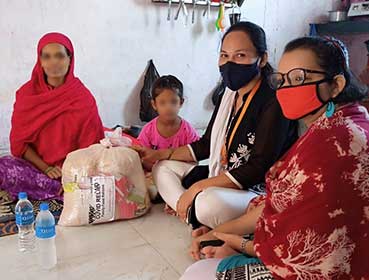
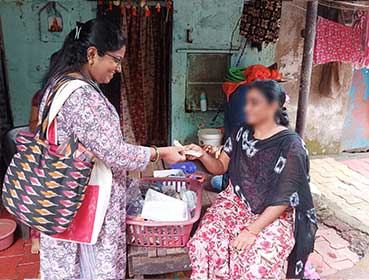
is about meeting women and adolescent girls where they are—whether in shelter homes, brothel areas, or vulnerable communities, which are our key touch points for the women—and walking alongside them with empathy and respect. It reaches those excluded from mainstream services—marking a vital first step toward healing and growth.

Objectives

At its heart, the Outreach Program is about sowing seeds of trust and transformation. It strives to reach those most in need, offering dependable assistance, building meaningful relationships, and guiding them toward recovery and reintegration. Through counselling, exposure to skills, and awareness of livelihood options, the program nurtures self-belief and emotional resilience. The ultimate aim is to break the intergenerational cycle of exploitation and open doors to a future defined by strength, independence, and dignity.

How Kshamata Outreach Works

Reaching Out. Lifting Up. Walking Together.

The Outreach Program is the heartbeat of our work—where transformation begins. It is the first step in building a bridge from extreme vulnerability to empowerment. Every step is about walking beside her, until she’s ready to lead her own journey.

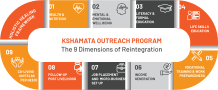
Mobilise

Reach women and girls in high-risk areas through field visits and trusted referrals.

Engage

Build trust through respectful, judgment-free conversations.

Assess

Understand their social, emotional, physical, educational, and economic needs.

Refer

Post further assessments, they are guided to take up skills training or to get enrolled at the KTC.

Support

Initial support includes life skills, counselling, healthcare, literacy, and vocational skills training.

Follow Up

Stay in touch through regular check-ins, offering continued care and handholding support for sustained reintegration.

Key

Verticals

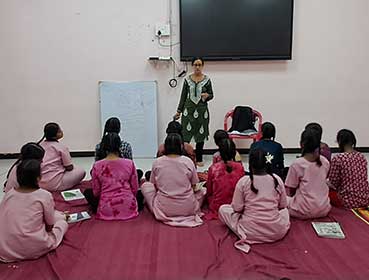
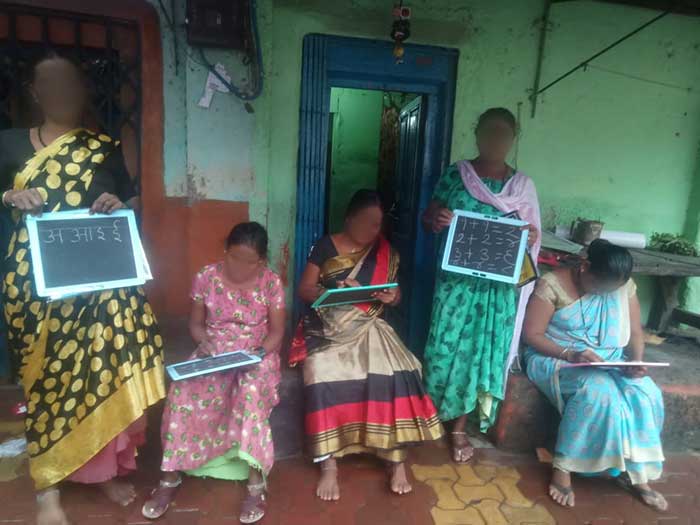
Kshamata’s Institutional Outreach focuses on supporting older adolescent girls and women living within government-run and privately managed shelter homes or institutions. Many of them have experienced deep trauma and uncertainty, and this program offers them the care and assistance they need to begin rebuilding their lives. Through a combination of practical tools and emotional healing, we work to meet their immediate needs, enabling them envision and prepare for a more hopeful future.

institutional

The Institutional Program focuses on adolescent girls and women in government and private shelter homes with immediate care and long-term support to enable them heal and prepare for independent living.

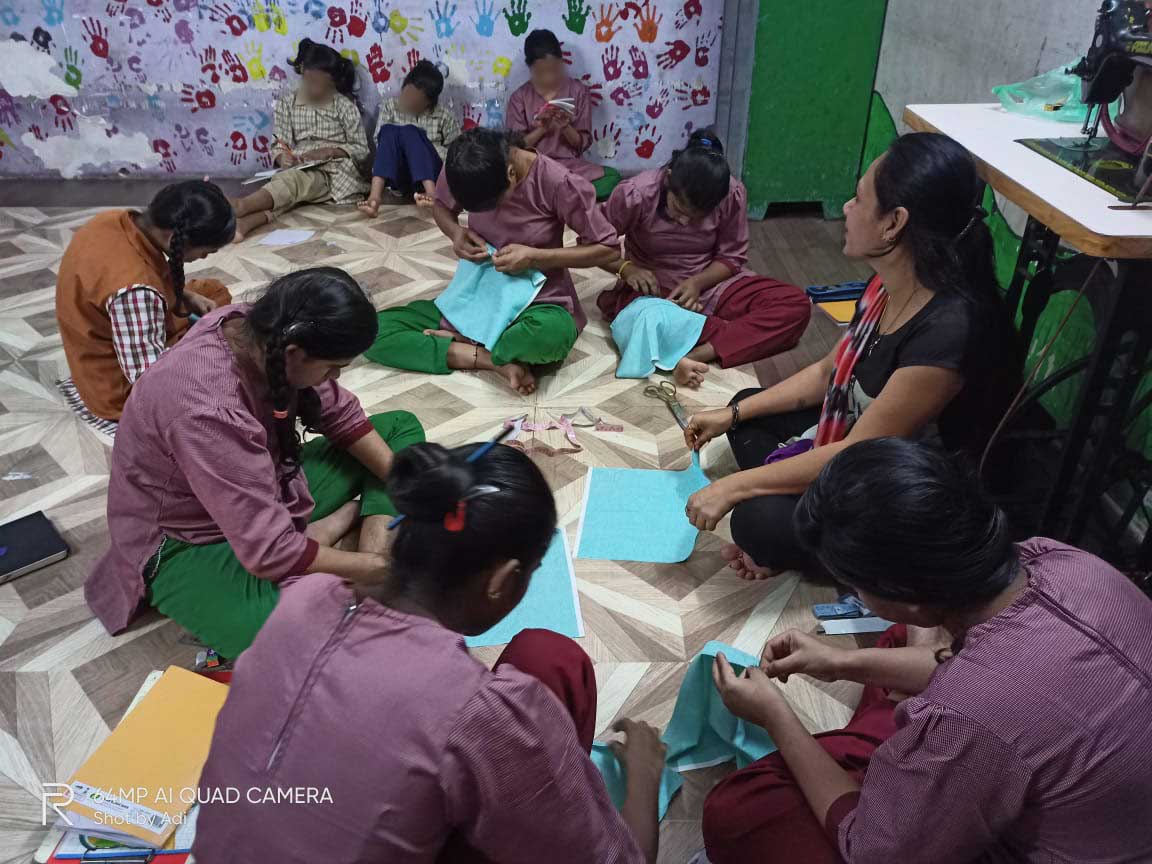
Physical well-being is promoted through health camps and hygiene awareness, while emotional recovery is reinforced through counselling and creative therapies like dance, art, and sound healing. Literacy intervention covers reading, writing, comprehension, and digital and financial literacy to build everyday confidence. Life skills training and work-preparedness sessions develop communication and workplace behaviour; while tailoring and craft training enable income generation within shelters. 

The program builds trust and prepares women for reintegration, independent living, co-living units set up by Kshamata, or Kshamata Transformation Centre (KTC).

Read More

post release

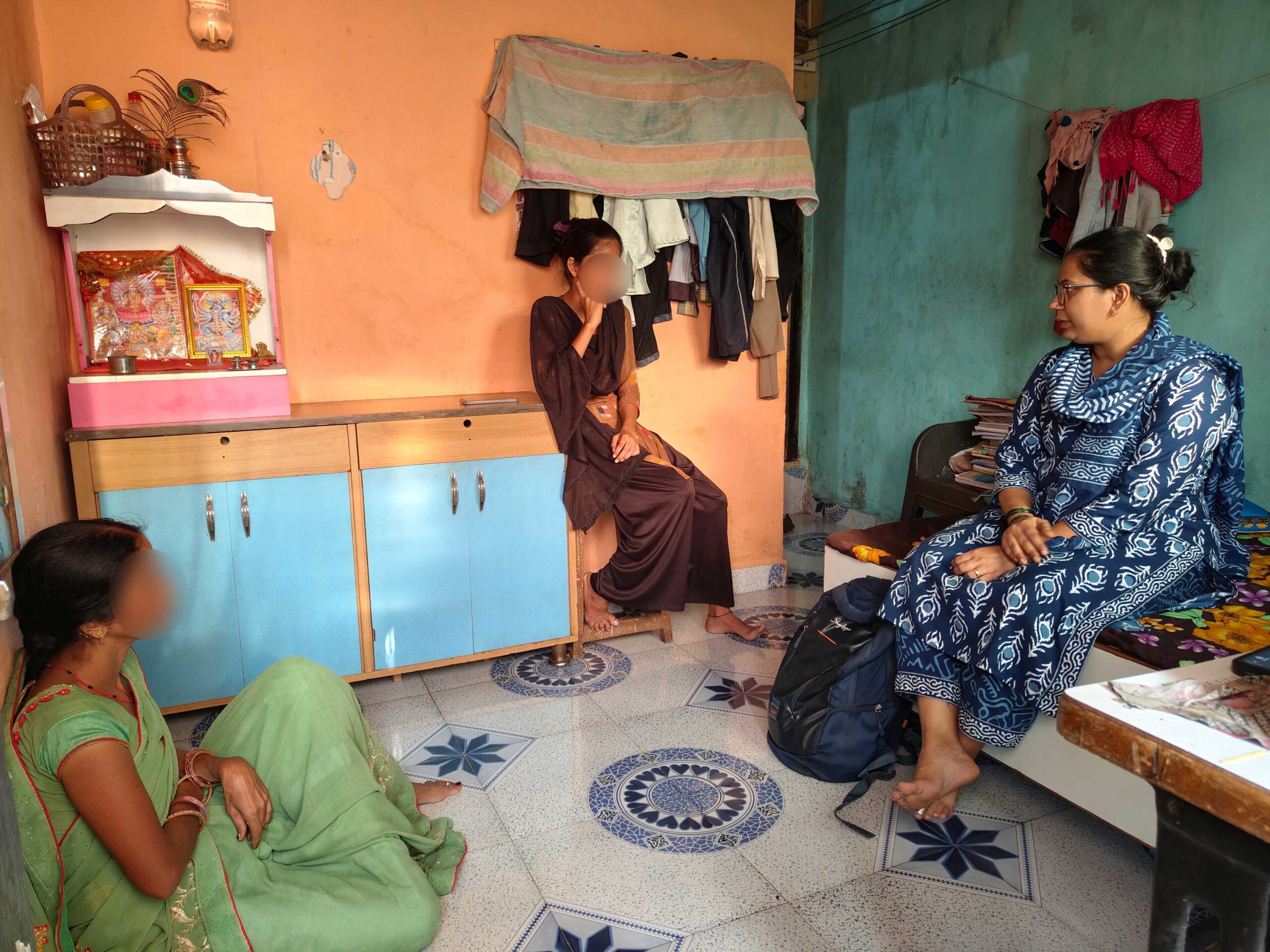
Transitioning out of shelter homes can be isolating and uncertain. Kshamata offers steady support through follow-ups, counselling, and phone check-ins. Life skills, literacy, and financial knowledge are reinforced.

Specialized courses are facilitated for the women in beauty care, para-medical, patient care, fashion designing, digital marketing, housekeeping, and other fields tailored to the interests, career aspirations, and abilities of the women, ensuring their long-term stability.

Work preparedness is strengthened with help in creating resumes, interviews, and workplace norms. Women trained in crafts are guided to find work or start small businesses, with ongoing handholding to ensure stability and confidence.

Read More

brothel community

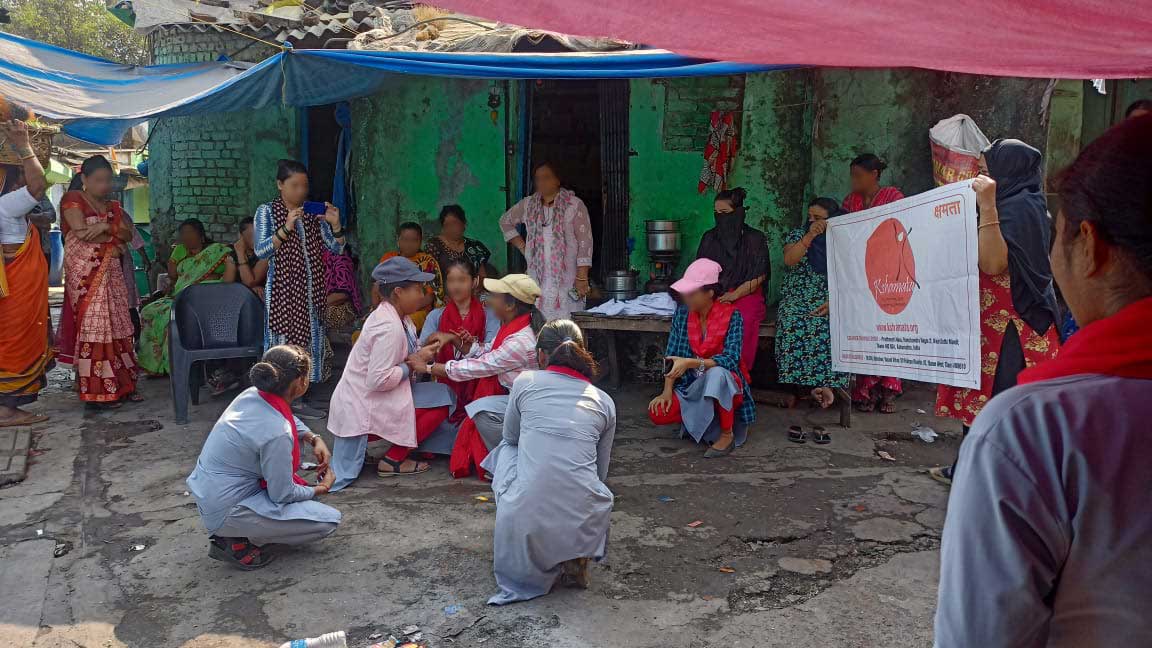
Women within the red-light areas often faced stigma, poor healthcare access, and deeper struggles post-pandemic. Many now seek change, and Kshamata supports this shift with dignity and opportunity.

We provide health check-ups, nutrition support, and emotional healing through one-on-one counselling and Dance Movement Therapy. Literacy and life skills sessions also include hygiene and stress management to build confidence, awareness, and personal control. Work-preparedness sessions include workplace etiquette, time management, and communication. Vocational training in sewing and crafts helps women start earning during training—first with fixed pay, then skill-based wages.

As more women choose to leave sex work, Kshamata stands by them—offering real alternatives and consistent support toward self-respect, stability, self-reliance and freedom.

Read More
Flagship Initiatives

Utkarsh Micro Business

The micro business initiative equips women from brothel-based and high-risk communities with essential entrepreneurial skills. It creates sustainable, income-generating opportunities through customised training and provides linkages to relevant government schemes, along with support to help them launch their micro-business units. The initiative also empowers women by offering training, guidance, and ongoing handholding support post-launch to help them sustain their businesses.

Safe Horizons (Co-living Unit)

Kshamata has launched Safe Horizons, a co-living unit that provides safety, security, and a balanced environment to practice transitional living, which enables women to mainstream into the society. This initiative is for women being released from shelter homes and those moving away from brothel areas.

Impact of Outreach

Women Reached
(Life skills, Literacy & Financial skills)
0 +
women trained in sewing, embroidery and jewellery making skills
0 +
Women earning through income generation Program
0 +
Successful
Job Placement
0 +
Micro Business
Established
0 +
Women enrolled & trained in various job oriented vocational courses
0 +
Story

The Woman Who Wore Her Dream

“I used to watch my sewing machine from a distance. Now, it’s my partner in building a new life.”

Just a few months ago, I wouldn’t have believed it if someone told me I would be learning to sew and actually loving it. I am Mangal (name changed), and I live in a small area called Harbour Line with my parents, my sister, and my brother.

Life isn’t easy. My mother has been unwell for a long time, my father can’t work because of a leg surgery, and my brother… he struggles with addiction. That leaves my sister to carry the weight of the family on her shoulders. I have always wanted to contribute, but my own challenges—difficulty walking and a speech impairment—made me feel like I couldn’t.

After I was released from the government shelter home, I was introduced to Kshamata’s Super 50 project. I joined after a lot of thought and counselling from their team. The first session I attended changed something inside me. I didn’t talk much at first, just sat quietly and listened. But something about the way the sessions worked—the care, the understanding, the encouragement—made me feel seen.

I had learned a little tailoring in the shelter, where I first said out loud that I wanted to become a tailor. I had a sewing machine at home but had never used it. With Kshamata’s guidance, I enrolled in proper tailoring classes. A month later, I stitched my very first dress and wore it to my life skills session. I still remember the smile on my face when a Kshamata team member pointed it out to everyone. “Look at Mangal. She made this dress herself.” The whole room clapped. For the first time, I felt seen—not for my struggles, but for my strength.

I never miss a Super 50 session. They don’t just teach life skills—they give me the strength to imagine a life where I can support myself, my family, and stand on my own. I have started looking at my future differently. I want to earn through stitching, make beautiful clothes, and share the burden my sister carries. I am also learning to manage my money, take care of myself, and make decisions for my future. My sewing machine is no longer a stranger. It’s my companion.